STEAMLINE
PROJECT OVERVIEW
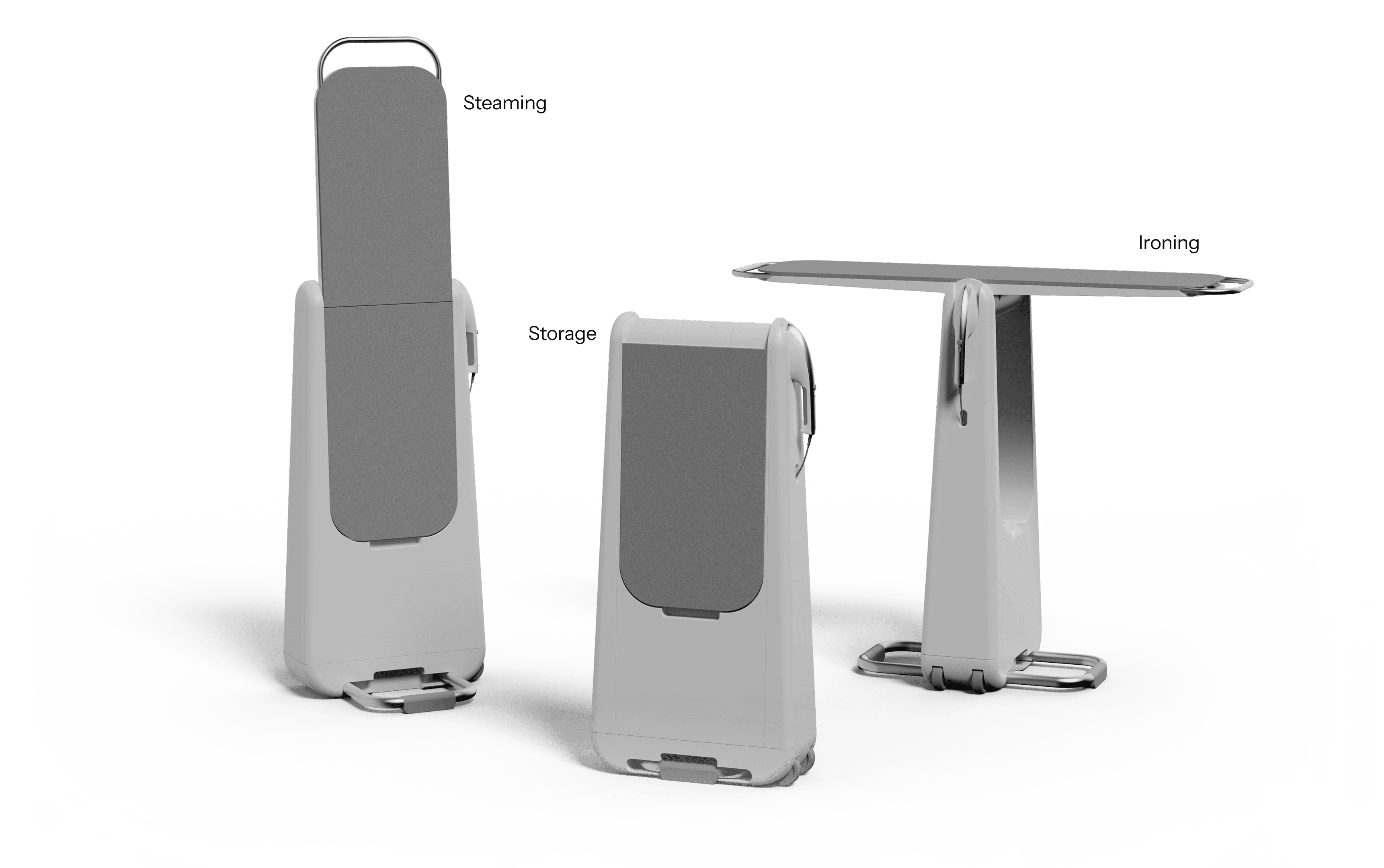
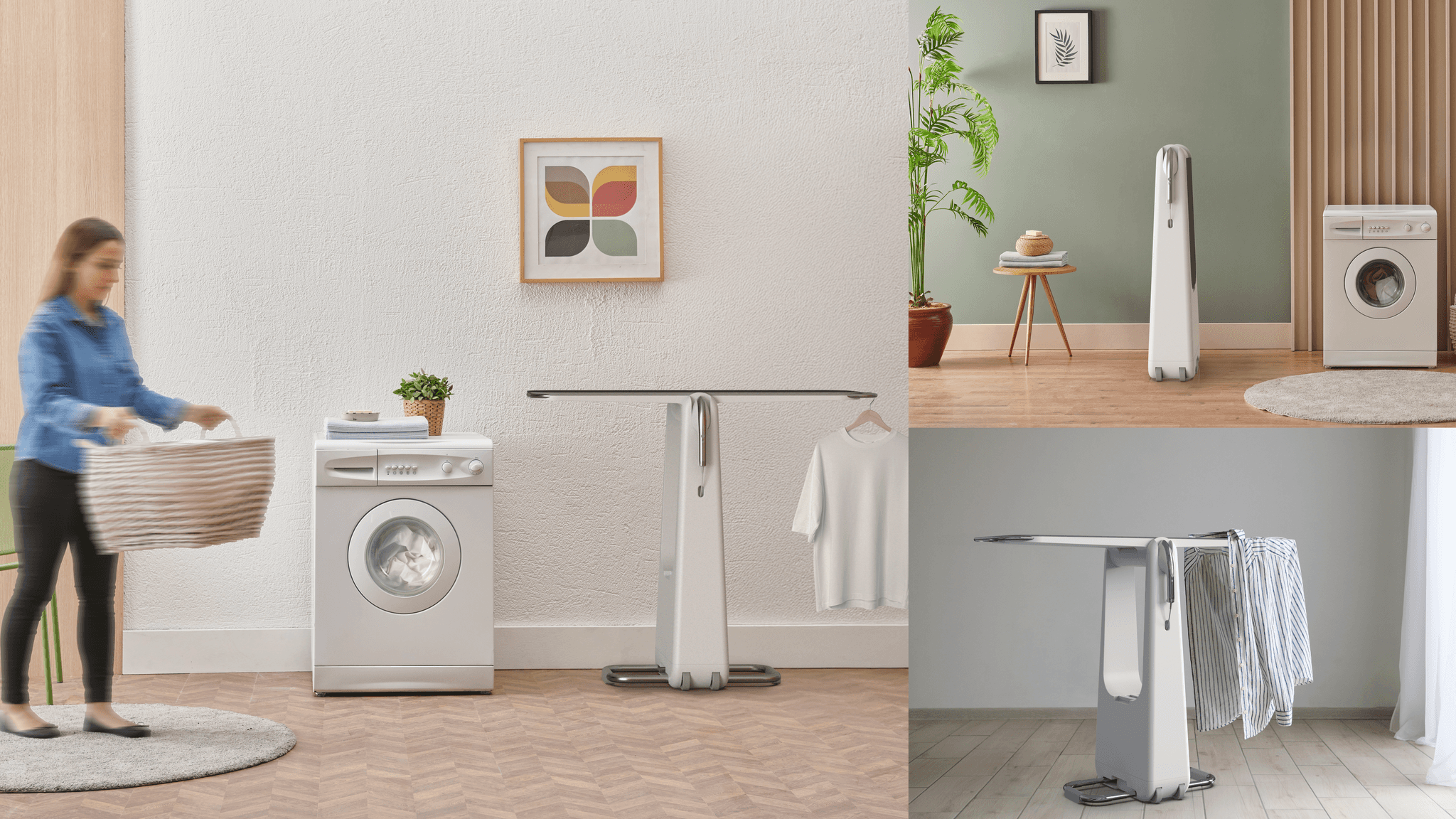
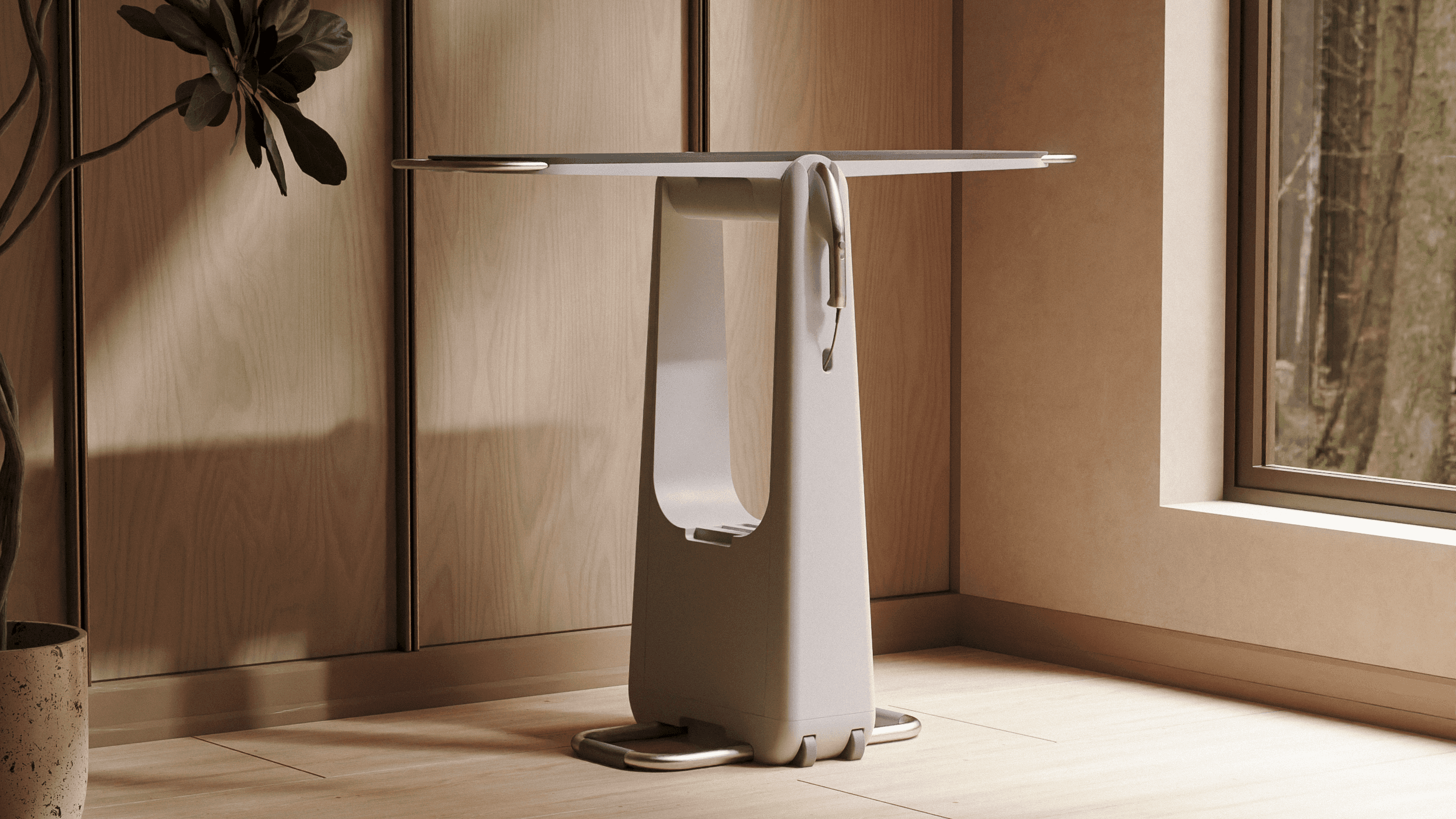
Steamline is an ironing and steaming station that provides a compact and versatile all-in-one solution to your garment care needs. Steamline mitigates the tedious tasks found in traditional ironing systems through its innovative features that encourage efficiency and organization.
TIMELNE
5 Weeks
November–
December 2025
TEAM
Matthew Li
Charlie Johnson
TOOLS
Rhino 3D
Keyshot
3D Printing
Prototyping
Research
MARKET TRENDS
Growing popularity of steamers over traditional irons.
Steamers now account for 40% of market share in clothing care appliances, showing growth at 8% annually compared to clothing iron’s decline.
Shifts to smaller living spaces lead to demand for space efficient products.
Average apartment sizes have shrunk by 12% over the past decade, leading consumers to purchase multifunctional and compact devices.
Increased demand for convenient solutions of common tasks.
Consumers continually live more faster-paced lifestyles, increasing the need for hassle-free garment care solutions.
TASK ANALYSIS
We then performed a task analysis to observe and understand the ironing process taking into consideration every step. We recorded each step and took note of relevant comments that could guide our design process through user quotes.
COMPETITIVE ANALYSIS
Looking at existing products within ironing and steaming, helped narrow down our audience and how Steamline can fit into the market. The two existing products that stood out to us were Rowenta and Joseph and Joseph, both systems were all in one, helping organization and setup.
USER INTERVIEWS
User 1
Prefers steaming over spray nozzle, would like having a product that can steam and iron
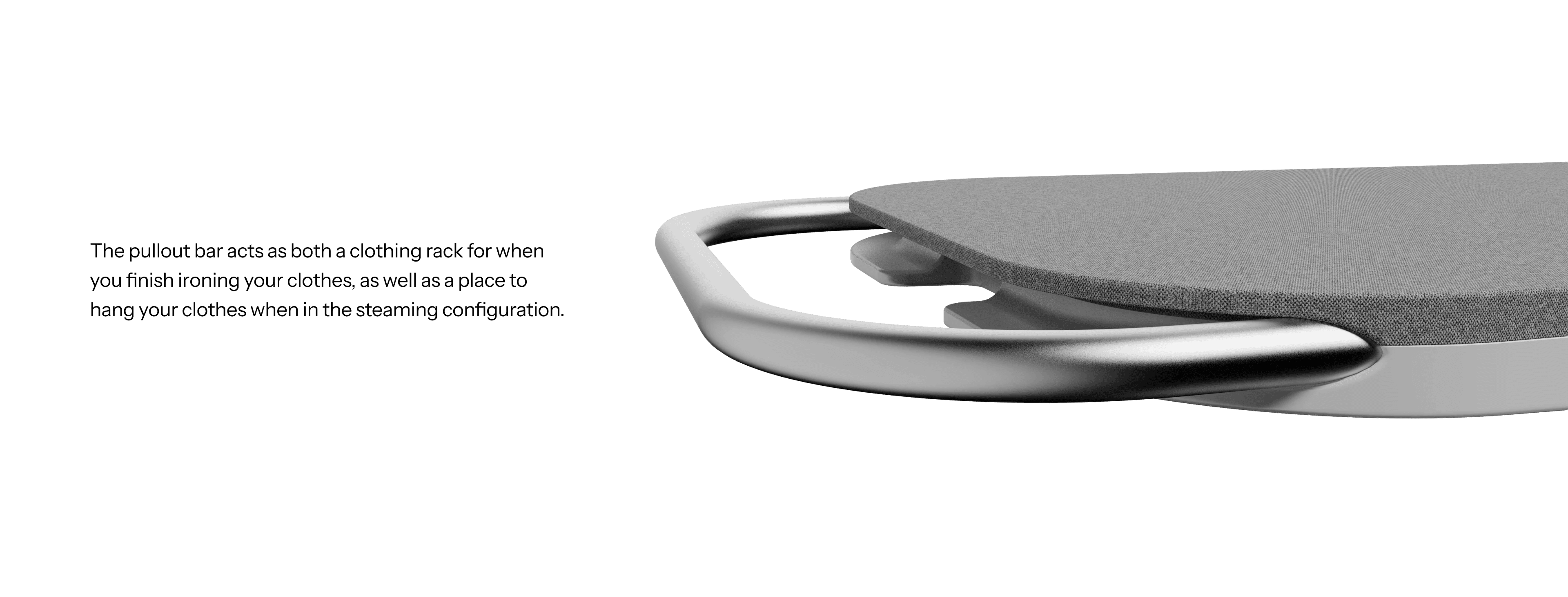
Wants somewhere to hang clothes after ironing
Doesn’t like having to setup ironing board each time
Finds having to fill up the water tank each time annoying
User 2
Filling the iron with water is inconvenient and doing it each time is time consuming
Ironing board doesn’t fold up nicely and takes up a lot of closet space
Setup feels like a lot of work for just a few clothes
TAKEAWAYS
Pain Points
Filling up the iron each time detracts from the overall enjoyment of the ironing process.
Setting up and collapsing the ironing board each time is tedious. Ironing boards are also difficult to store due to their shape.
The numerous things needed to iron and steam effectively cause difficulty when storing.
How might we…
Create a compact steaming and ironing solution for apartment residents while improving safety, organization and efficiency in small spaces.
Ideation
RAPID VISUALIZATION
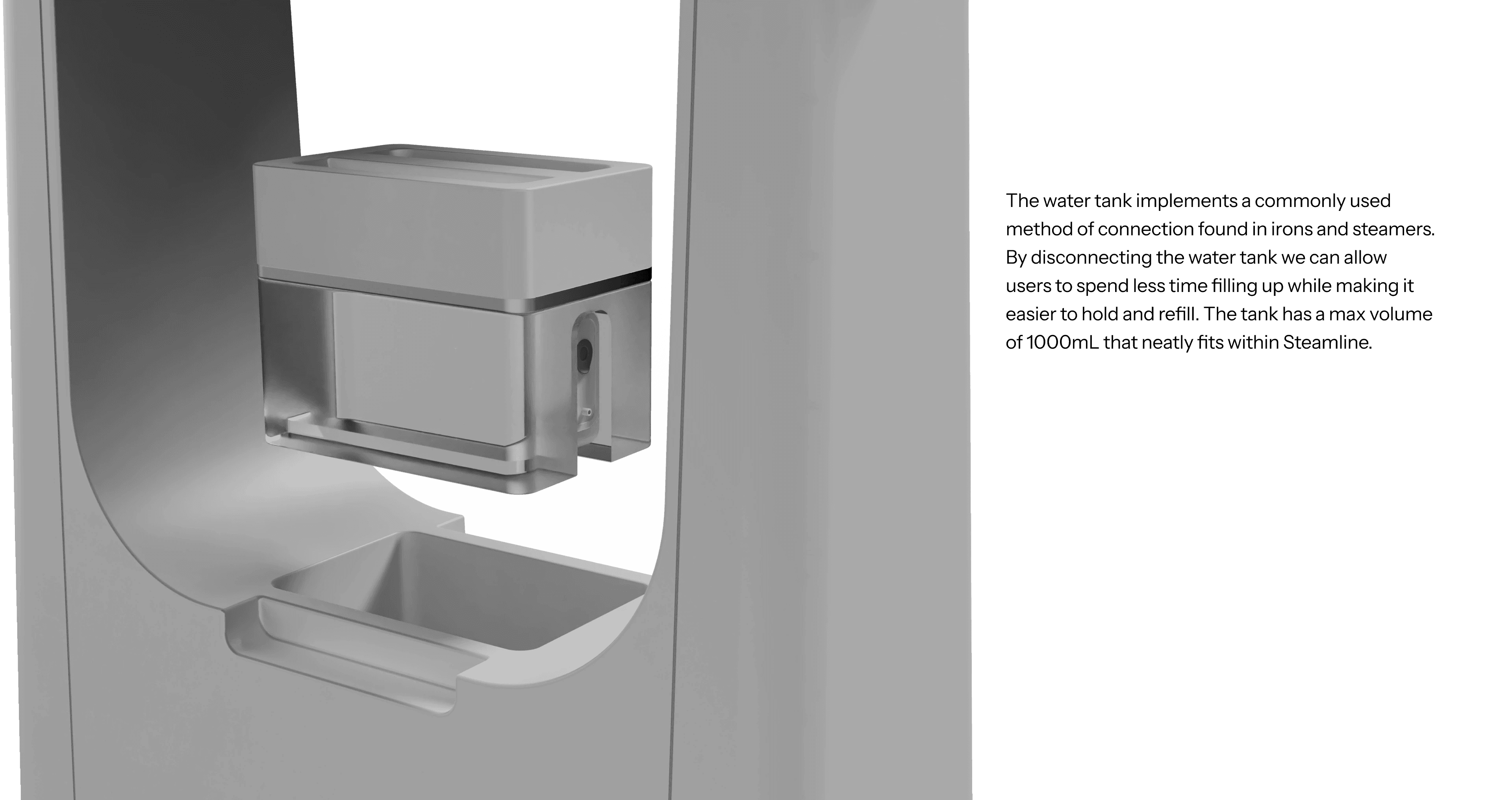
Rapid visualization sketches allowed us to explore ideas to solve problems without focusing on form. From these sketches we knew we wanted to add a built in dock to protect hot surfaces, a clothes rack to support large ironing or steaming tasks, and a separate water tank from the steamer iron making the process of refilling quick and easy.
MOOD BOARD
LOW FIDELITY PROTOTYPES
Cardboard prototypes were essential in our design process as they allowed us to think about more than our original problem. We started this process focusing on the docking steamer, but from what we built we realized the problem we wanted to solve was more than just safe and efficient docking.
CONCEPT SKETCHES
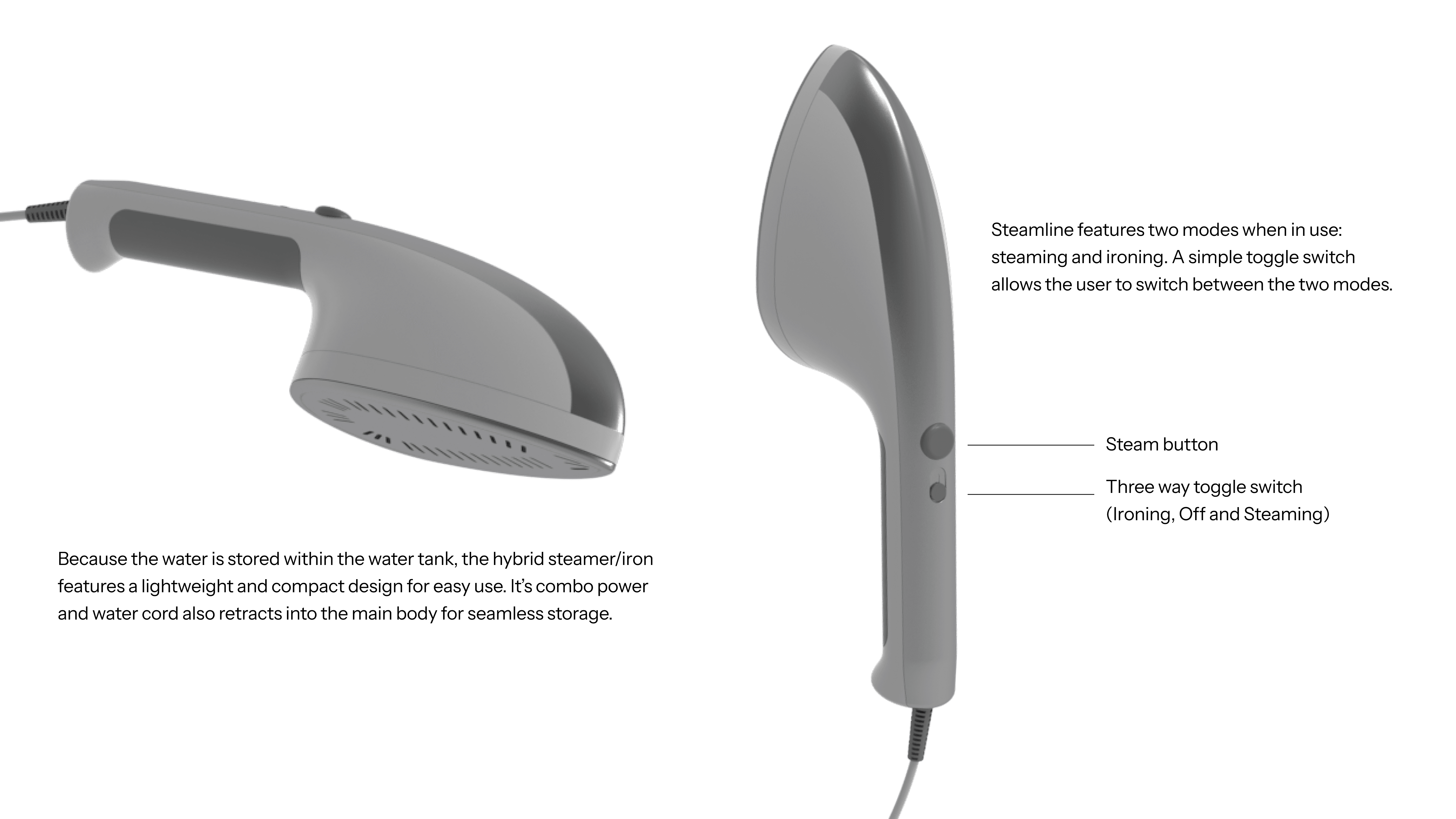
Using digital sketches we were able to develop two different solutions to our problem, a two in one iron steamer and a compact all-in-one ironing station. The all-in-one Ironing station solved a lot of our previous problems of efficiency and organization while still utilizing a safe dock.
Iteration
ROUGH CAD
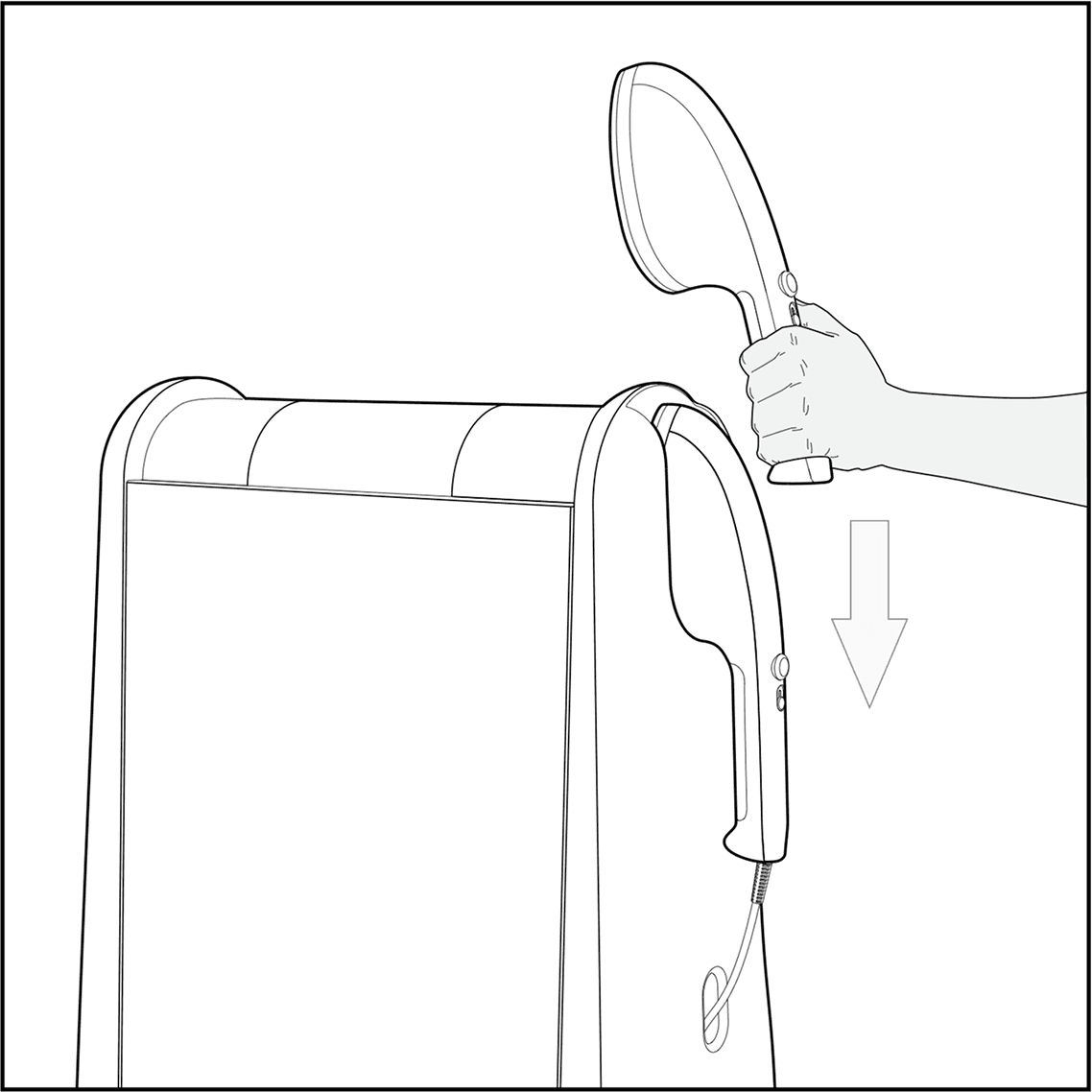
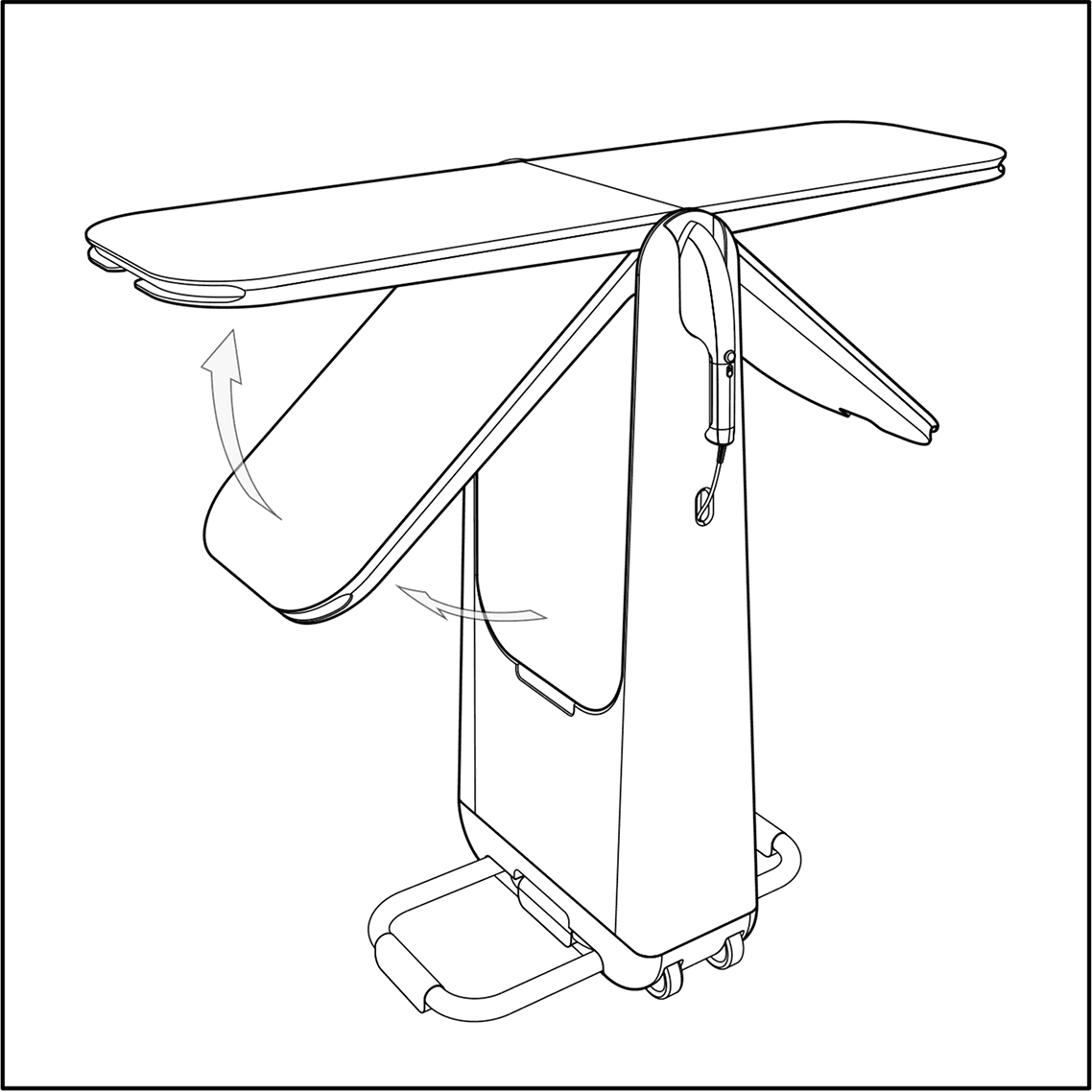
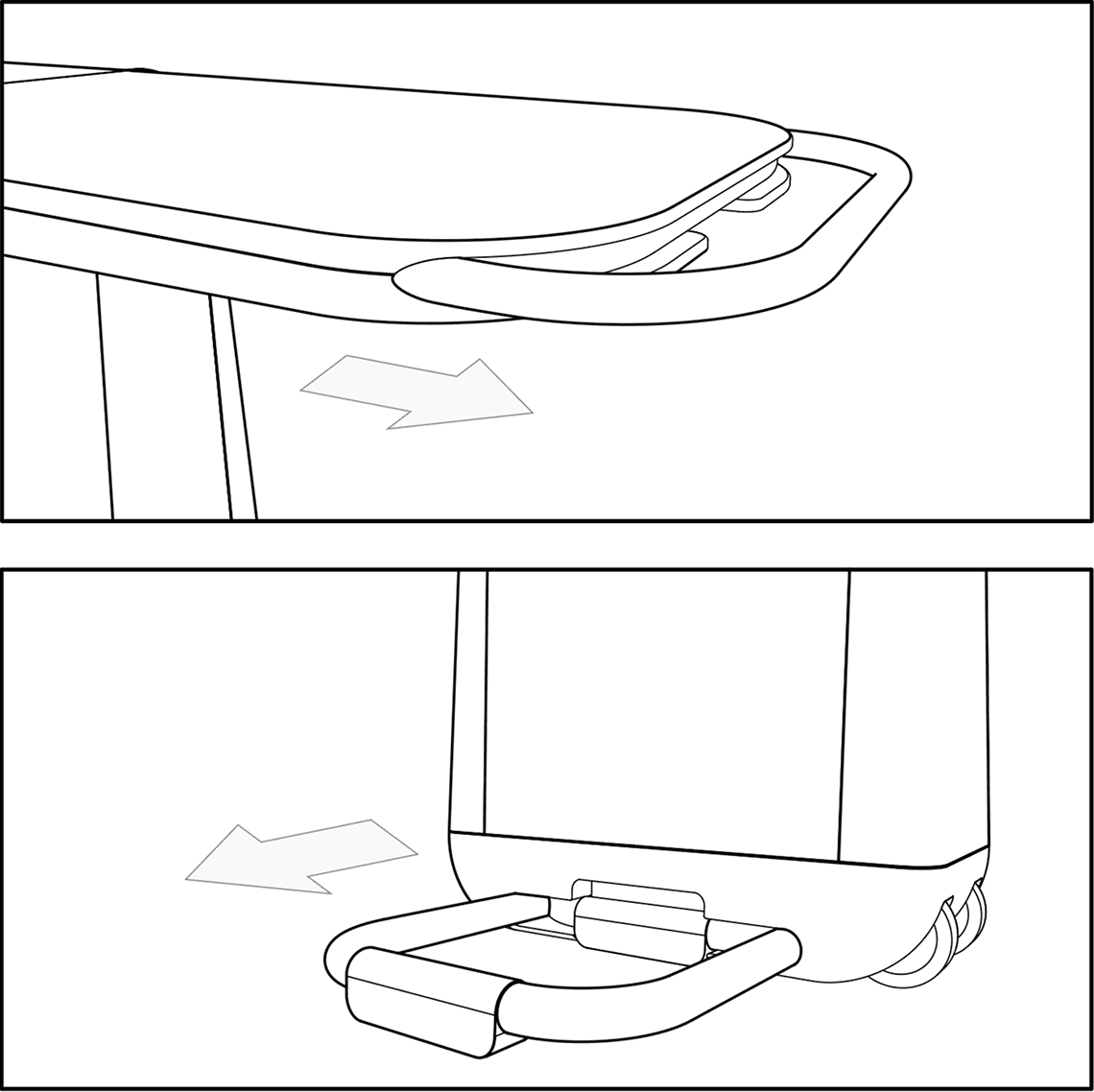
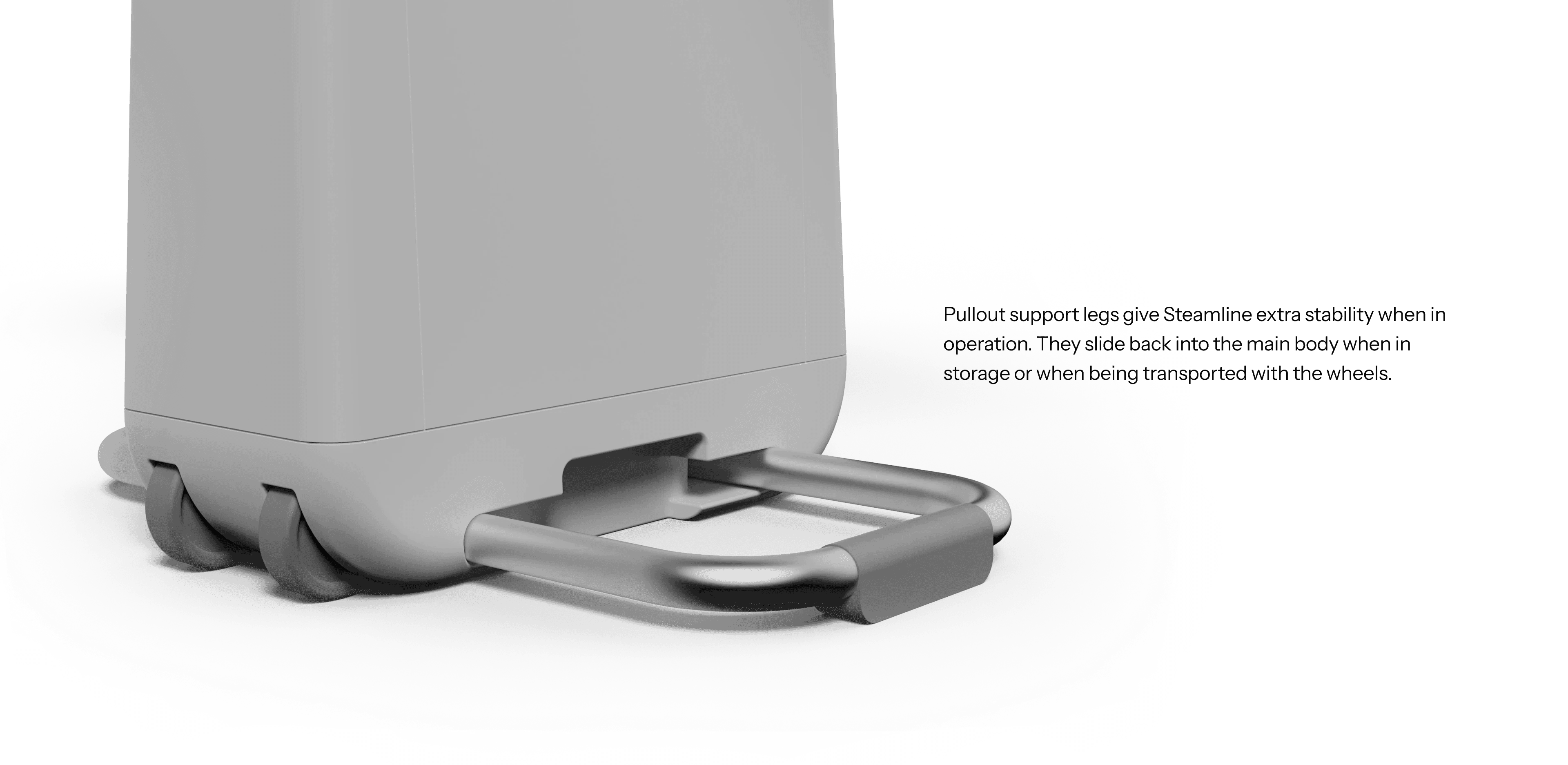
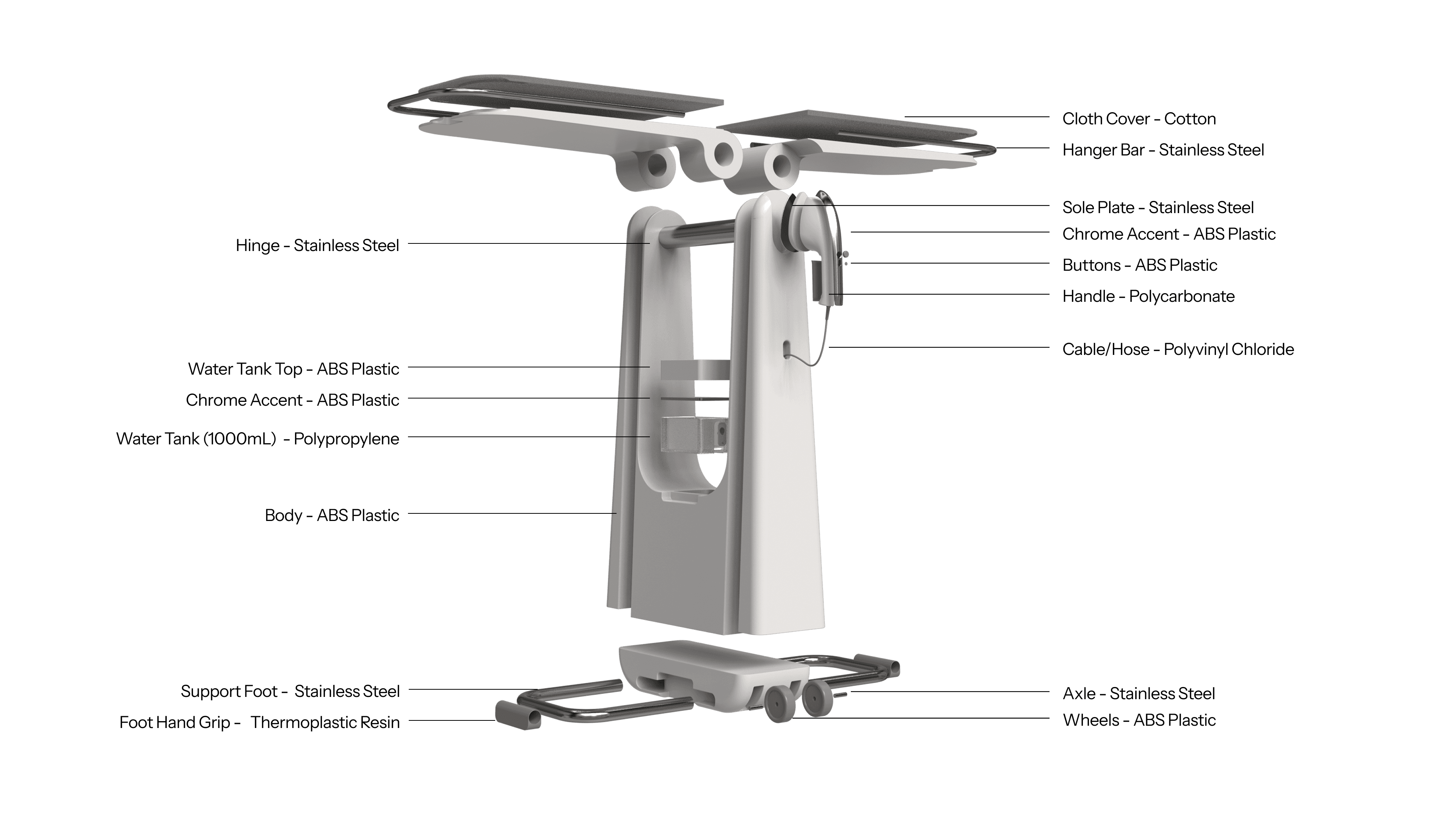
Using Rhino as a tool to develop our sketches allowed us to work though problems as they arose. Wheels allow the steamer to become a handle to walk the system around, the water tank is stored in the low in the base of the ironing board increasing stability, especially when paired with collapsable support legs. The ironing surface lays flush when stored and can be set to different modes depending on the users needs.
FINAL PROTOTYPE
With our rough CAD model as a reference, we created a full scale prototype using laser-cut cardboard and a 3D printed PLA to gain a better understanding of product proportions and the hinge mechanism that is present in our final design. We also observed how users felt about the shape of the 3D printed iron/steamer.
FINAL DESIGN