Oko
Project Overview
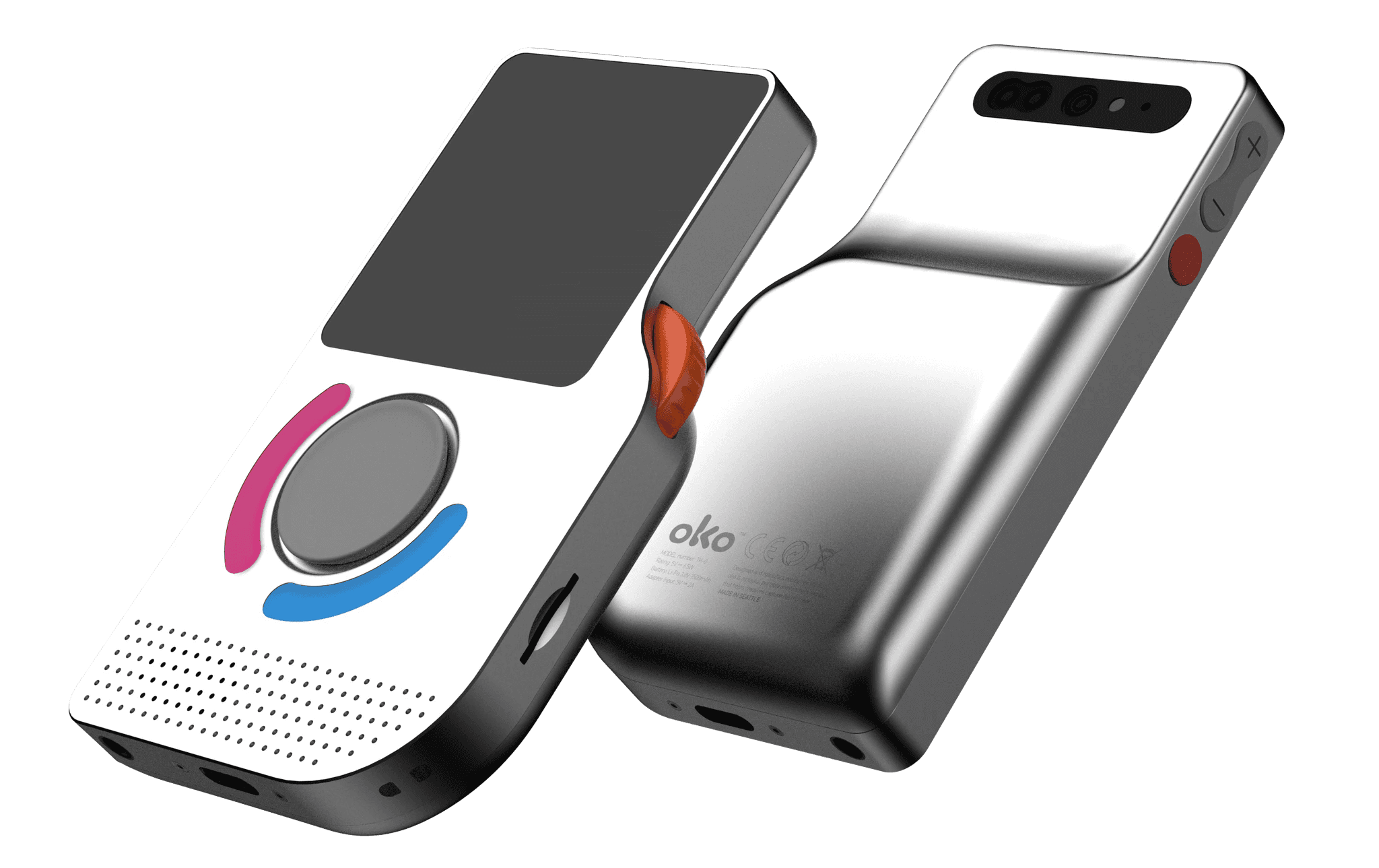
Oko is a portable, on-the-go music sampling device, emphasizing physical form and playful interaction to make discovery and experimentation more approachable without limiting long-term creative potential.
Timeline
10 Weeks
January – March 2026
Tools
Rhino 3D
Keyshot
3D Printing
In collaboration with Poyu Chen
Design Objectives
Portable and Pocketable

Limited Creative Sandbox

Intuitive Controls
User Interviews
We performed user interviews with music producers or people with an interest in music technology, asking general music production questions and more abstract questions about creativity and inspiration.
Research Findings
Two Modes: Play or Execute
Exploration / playing around
No clear starting point
Experiments freely with sound
Execution mode
Has idea in head, lays it down, develop
Often starts with chords
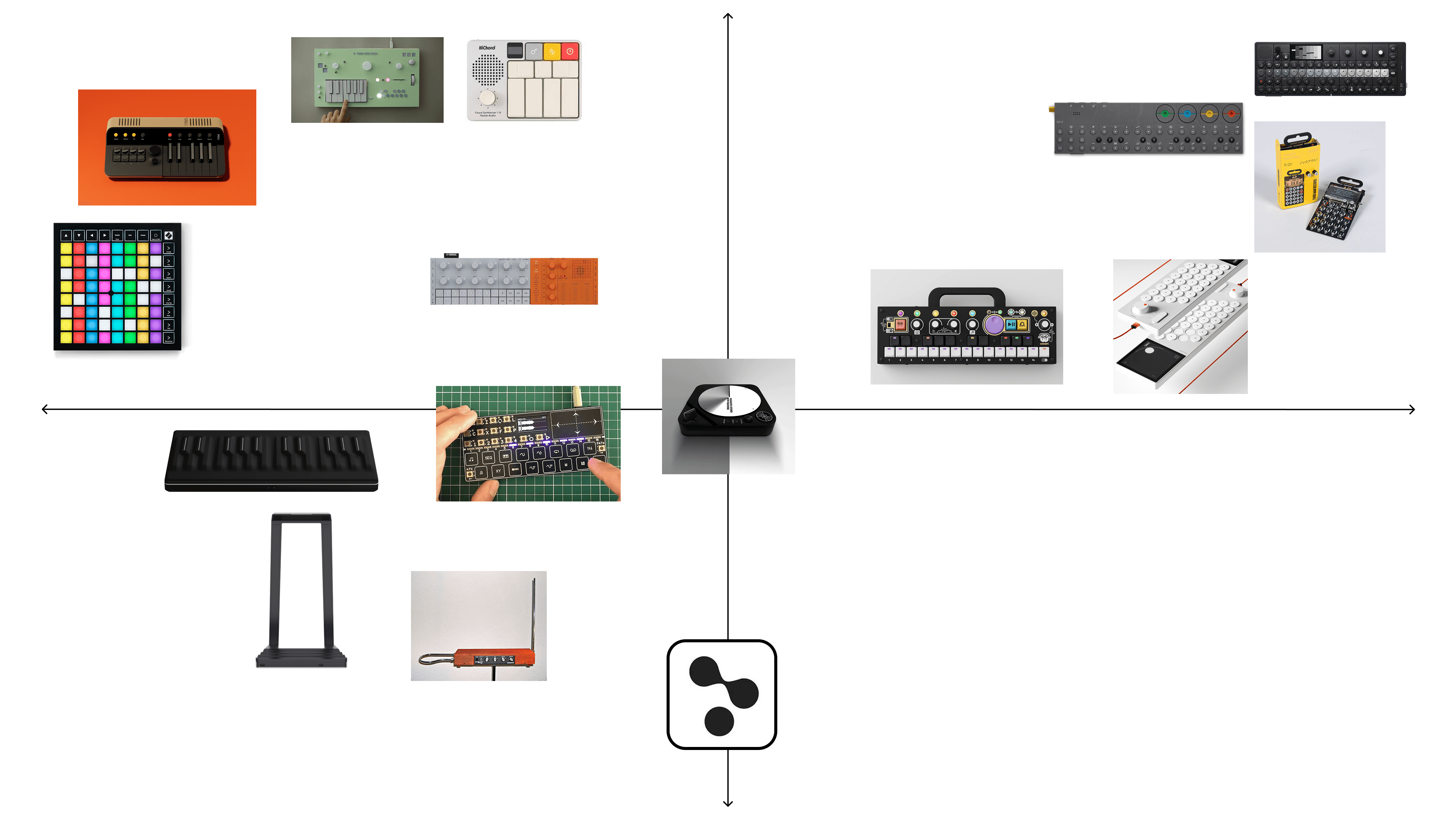
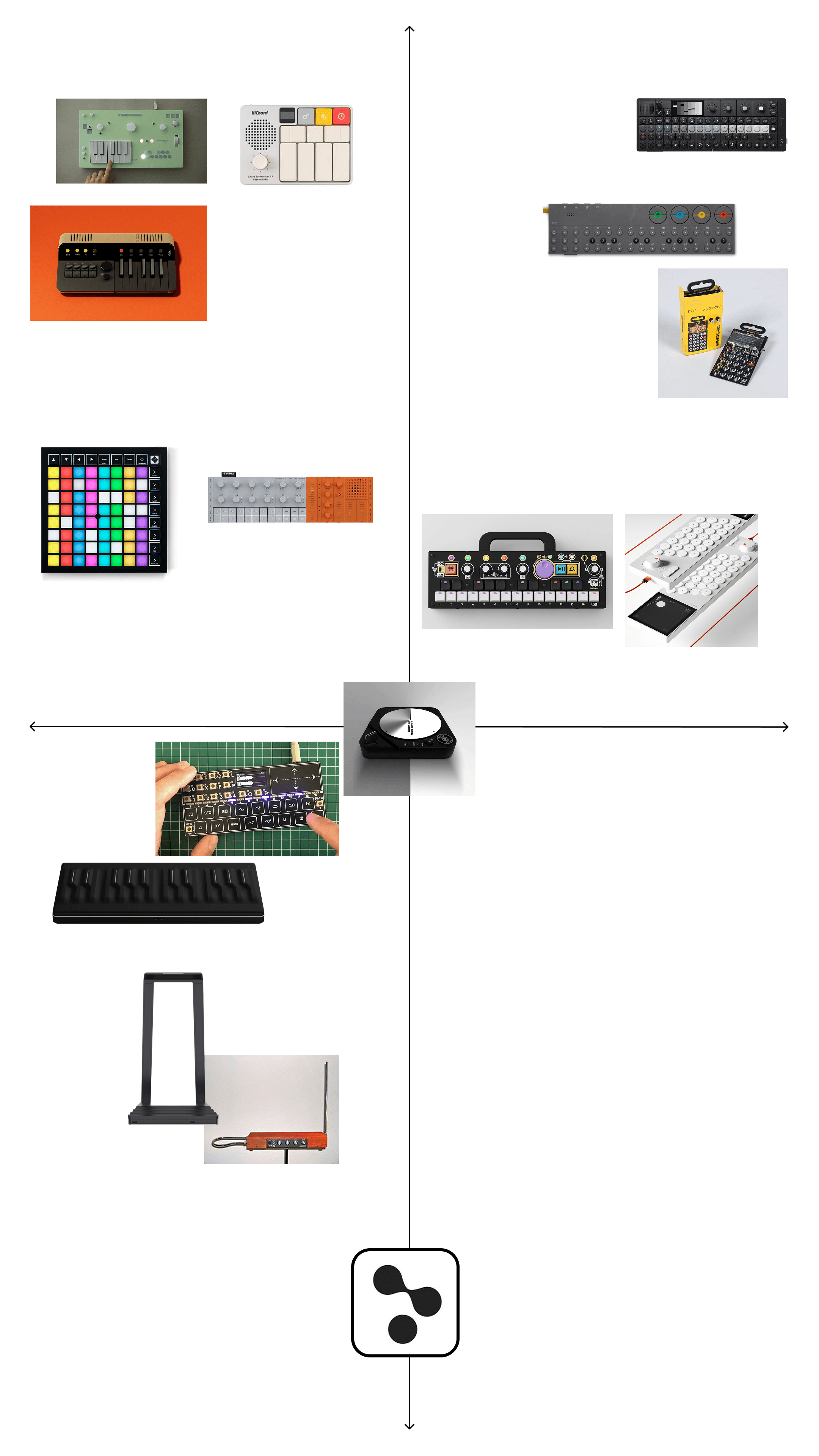
Determining an Opportunity Space
Pain Points

The market is filled with forms that are similar without any new form of physical controls

Most devices are not intuitive for beginners and lack stimulation during the playing process

The sound design community is heavily dominated by closed source software and hardware
How might we create a music production tool that promotes experimentation and exploration for creative producers through non-traditional synthesis?
Brainstorming a Solution
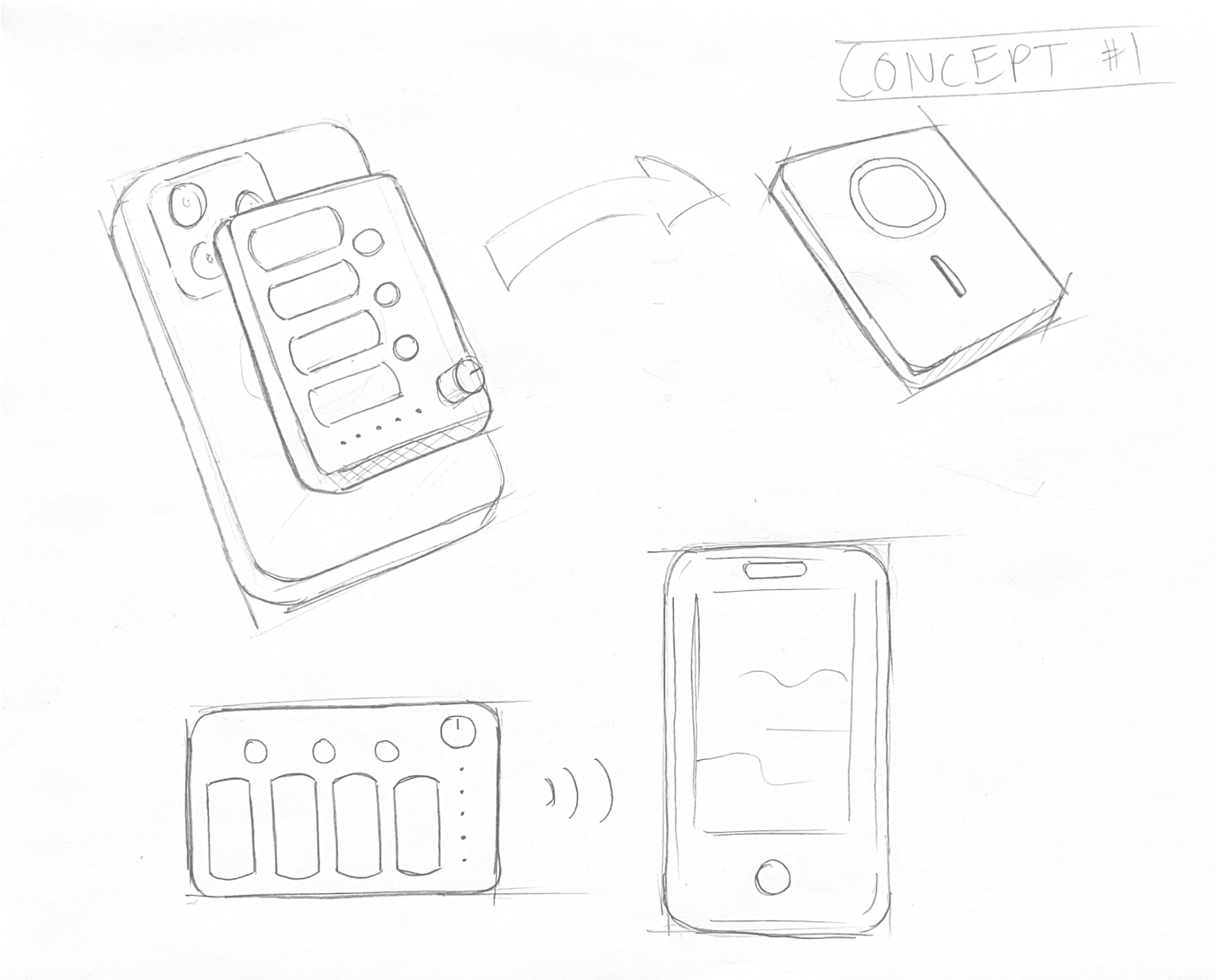
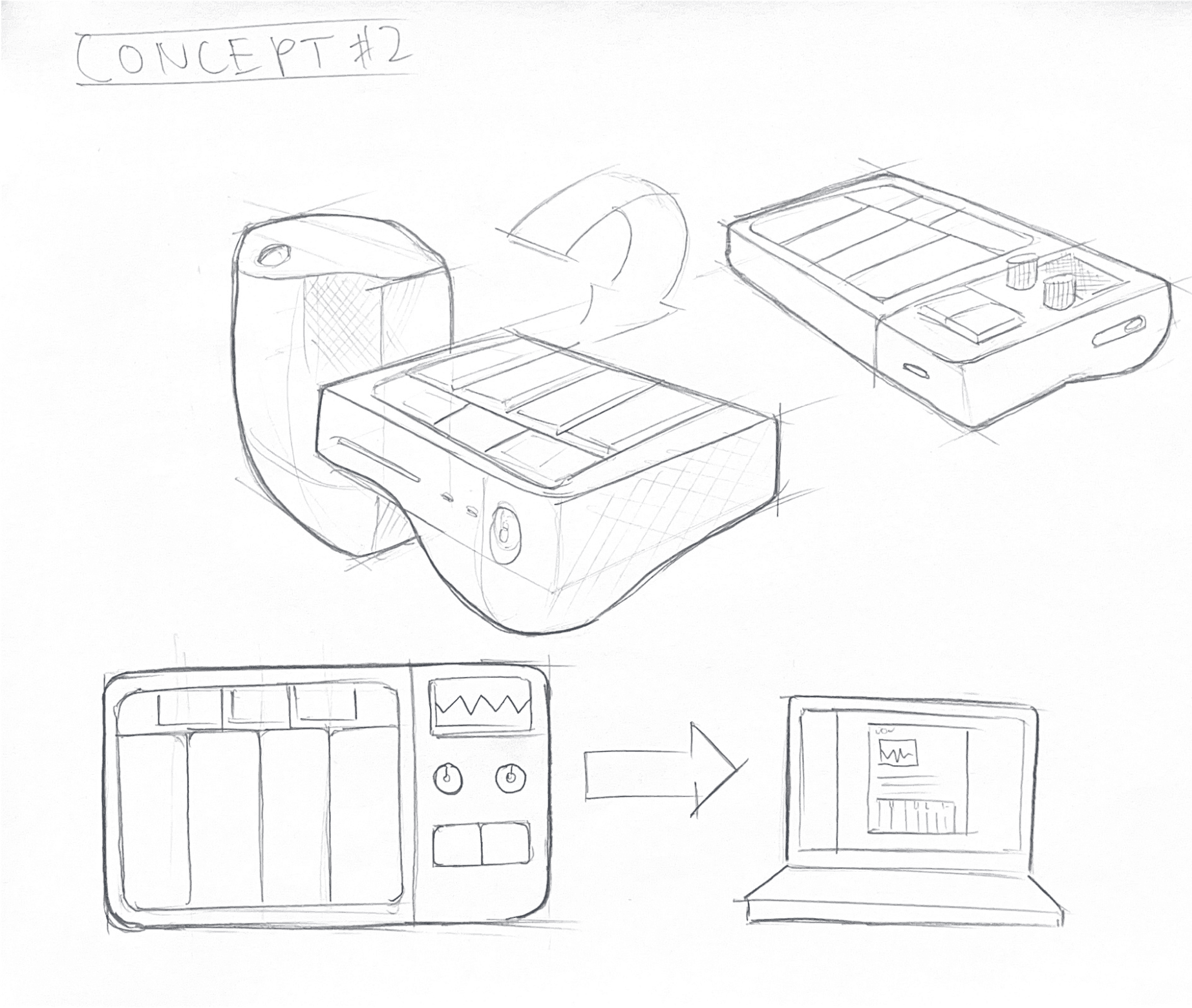
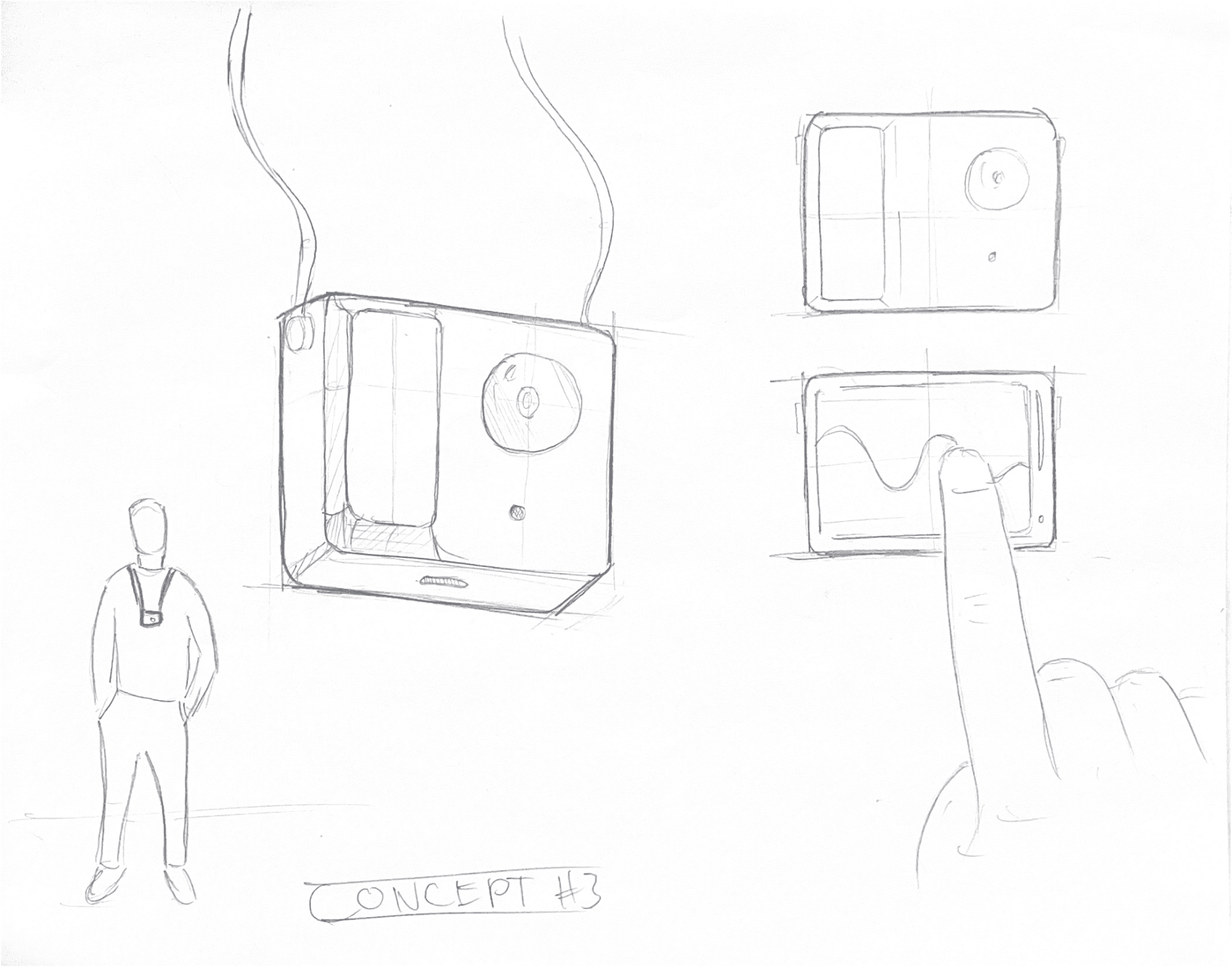
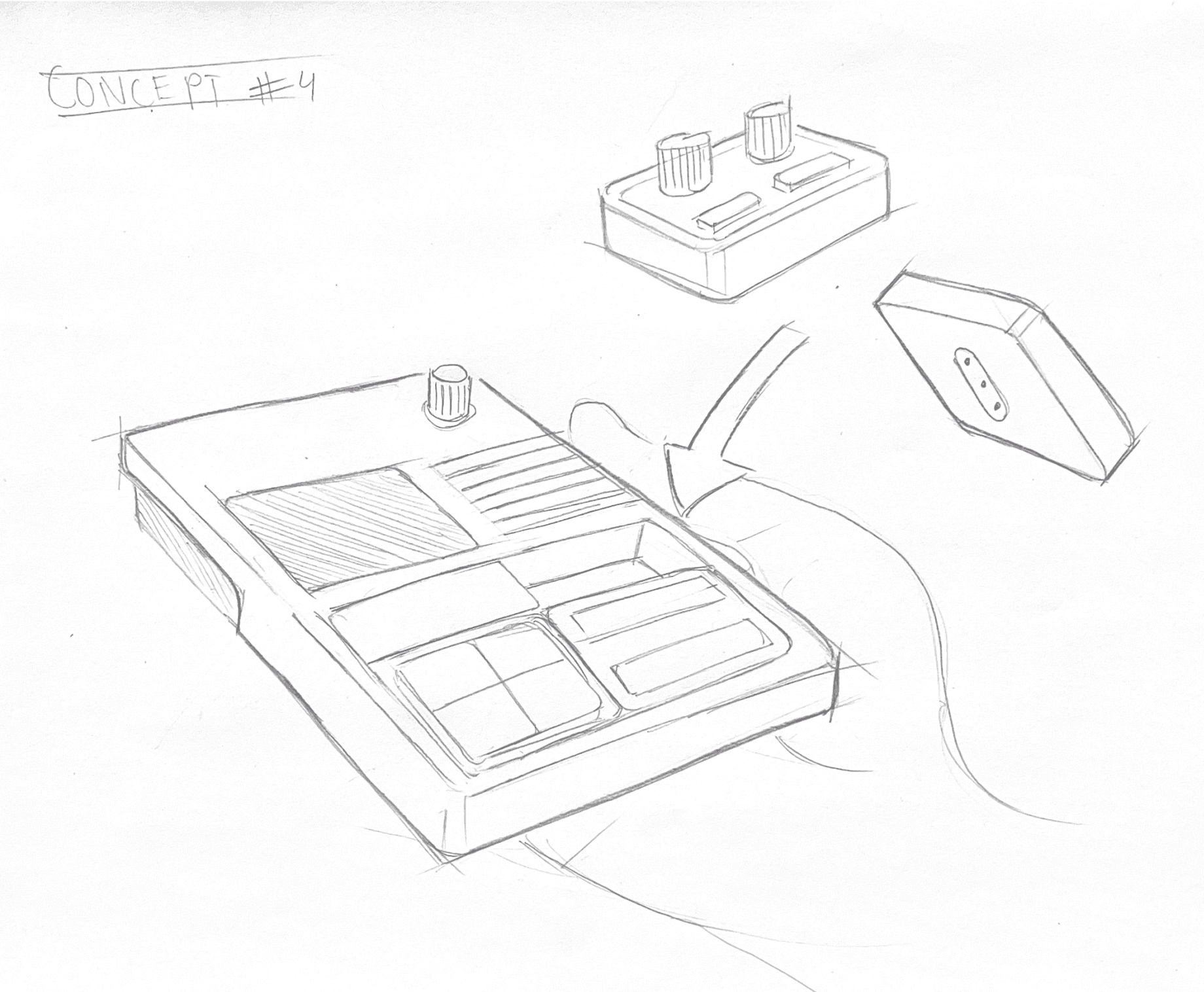
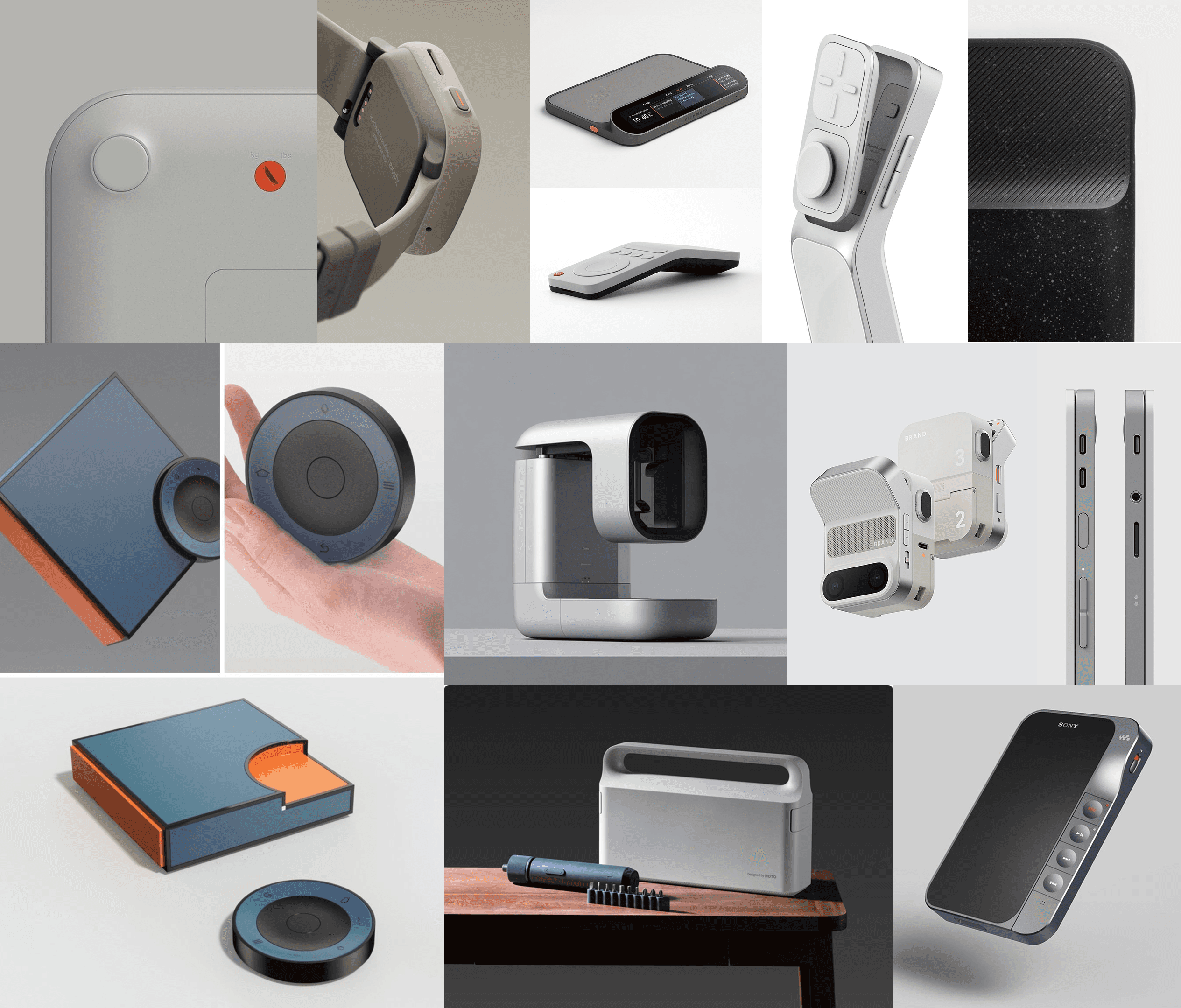
Rough CAD Iterations
With the initial ideation and form inspiration in mind, we created 3D renders of two concept variations which we consolidated to a final rough concept.
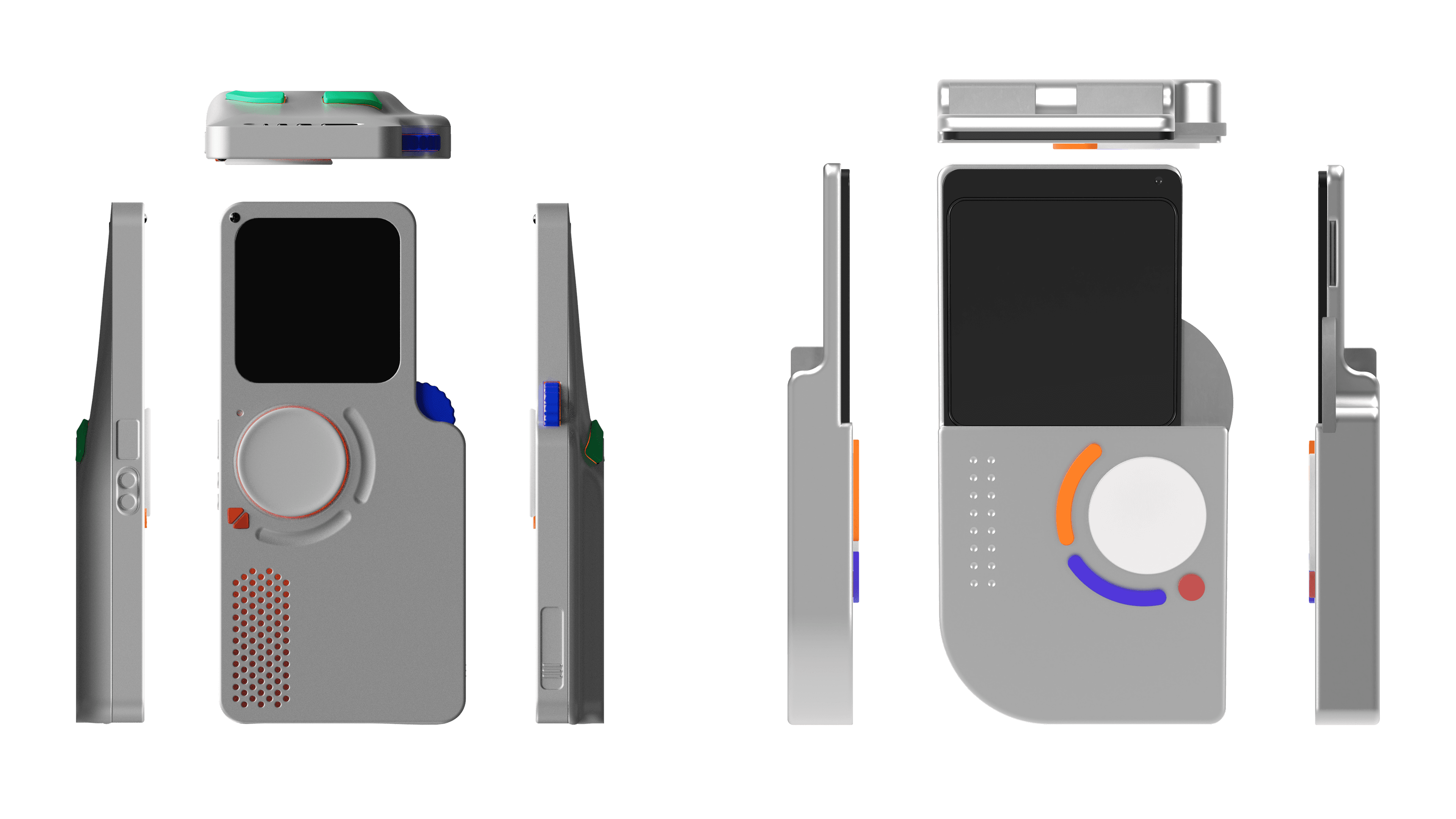
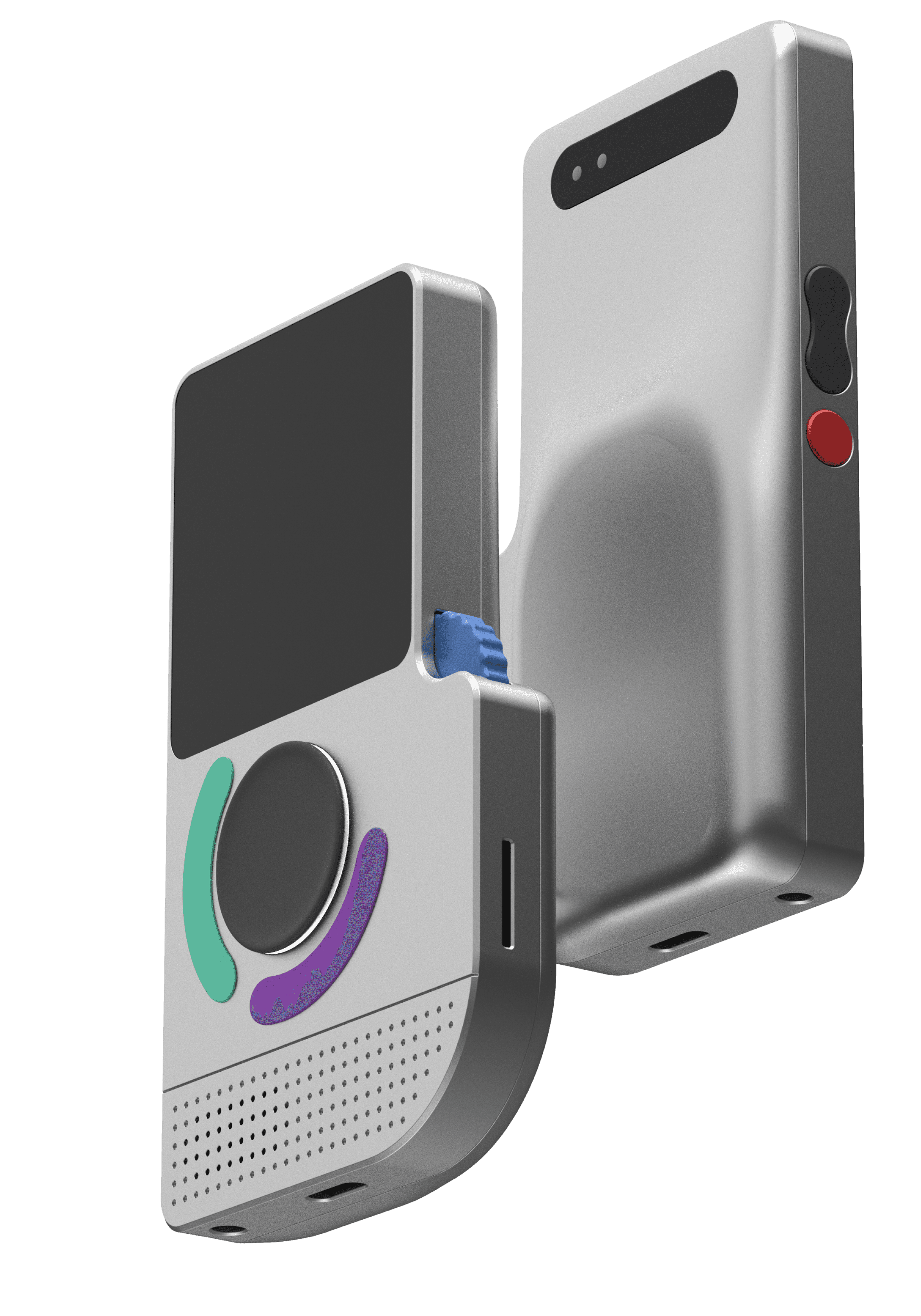
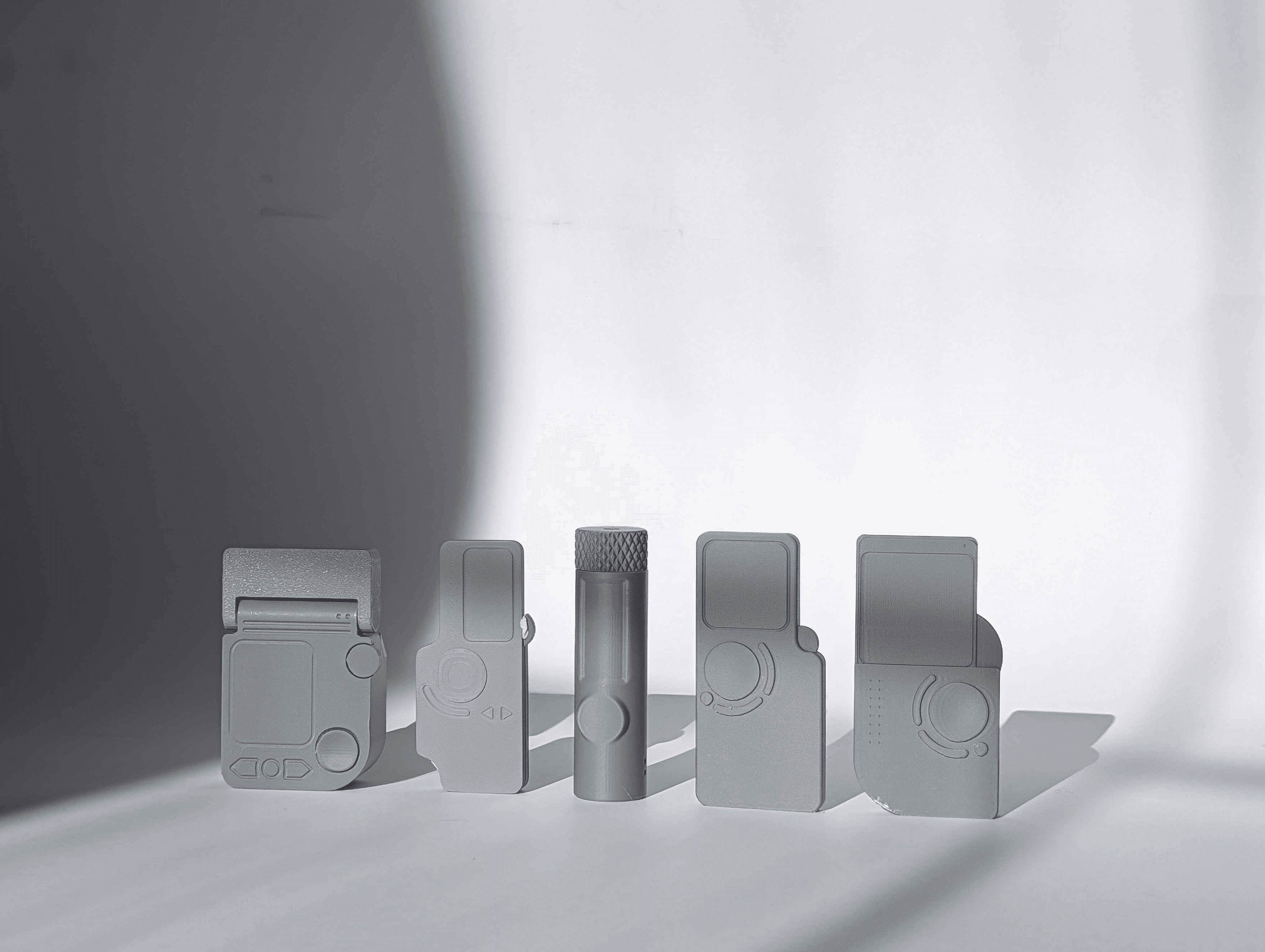
Testing Form
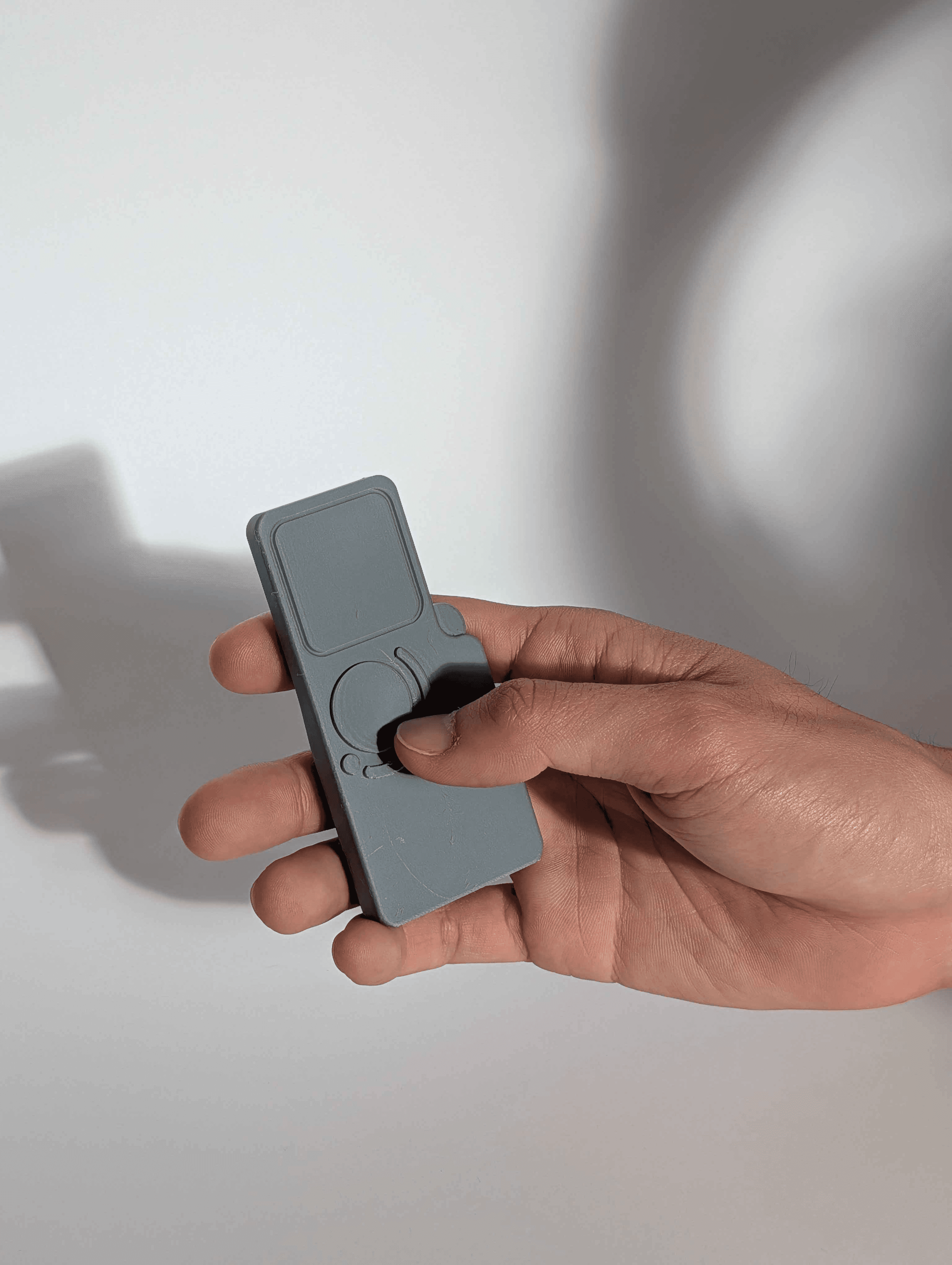
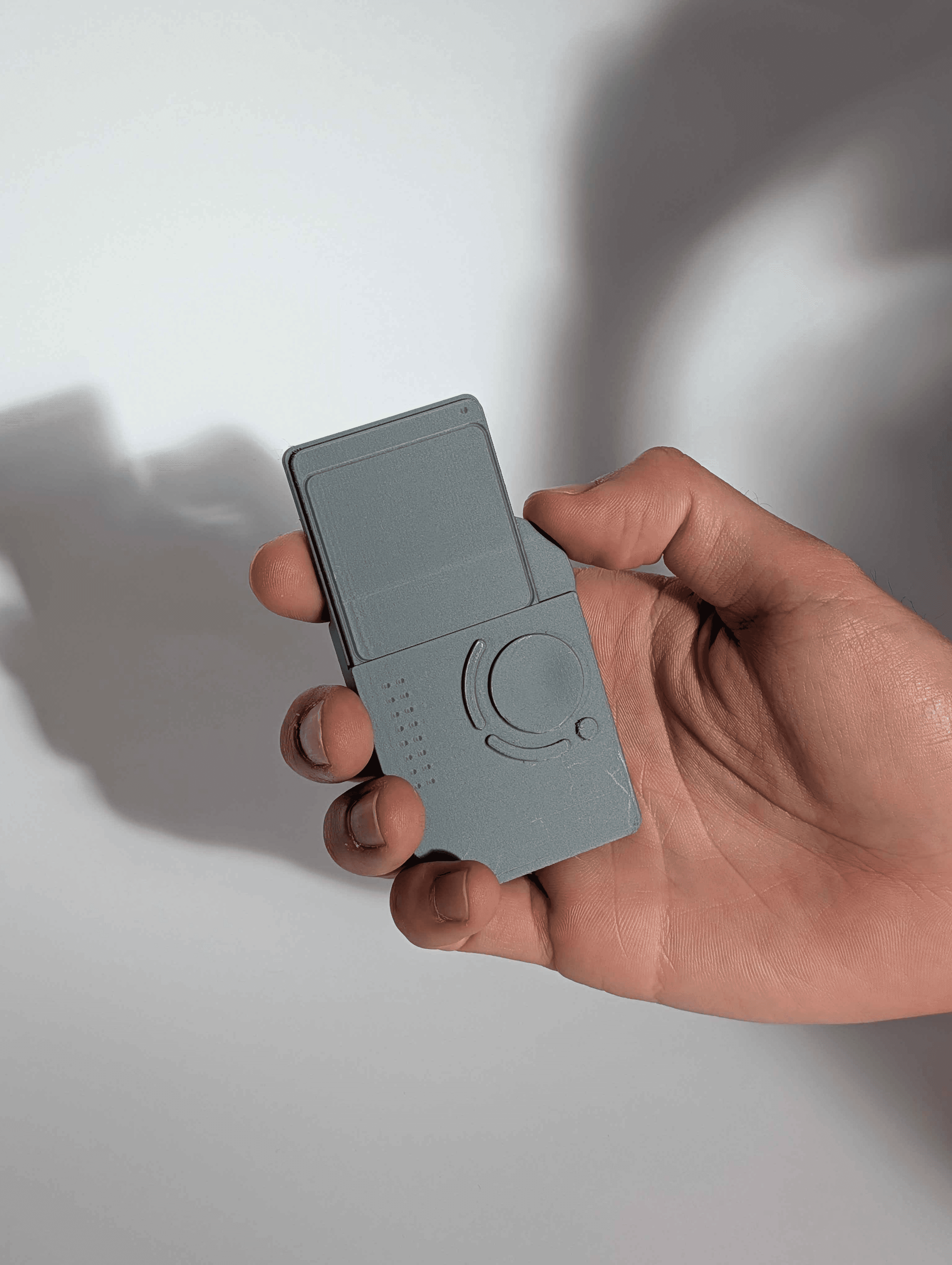
After each iteration, we confirmed the size, button placement, and ergonomics by 3d printing a full scale mockup. This informed our final decisions when moving forward with our concept development.
Finalizing Form Details
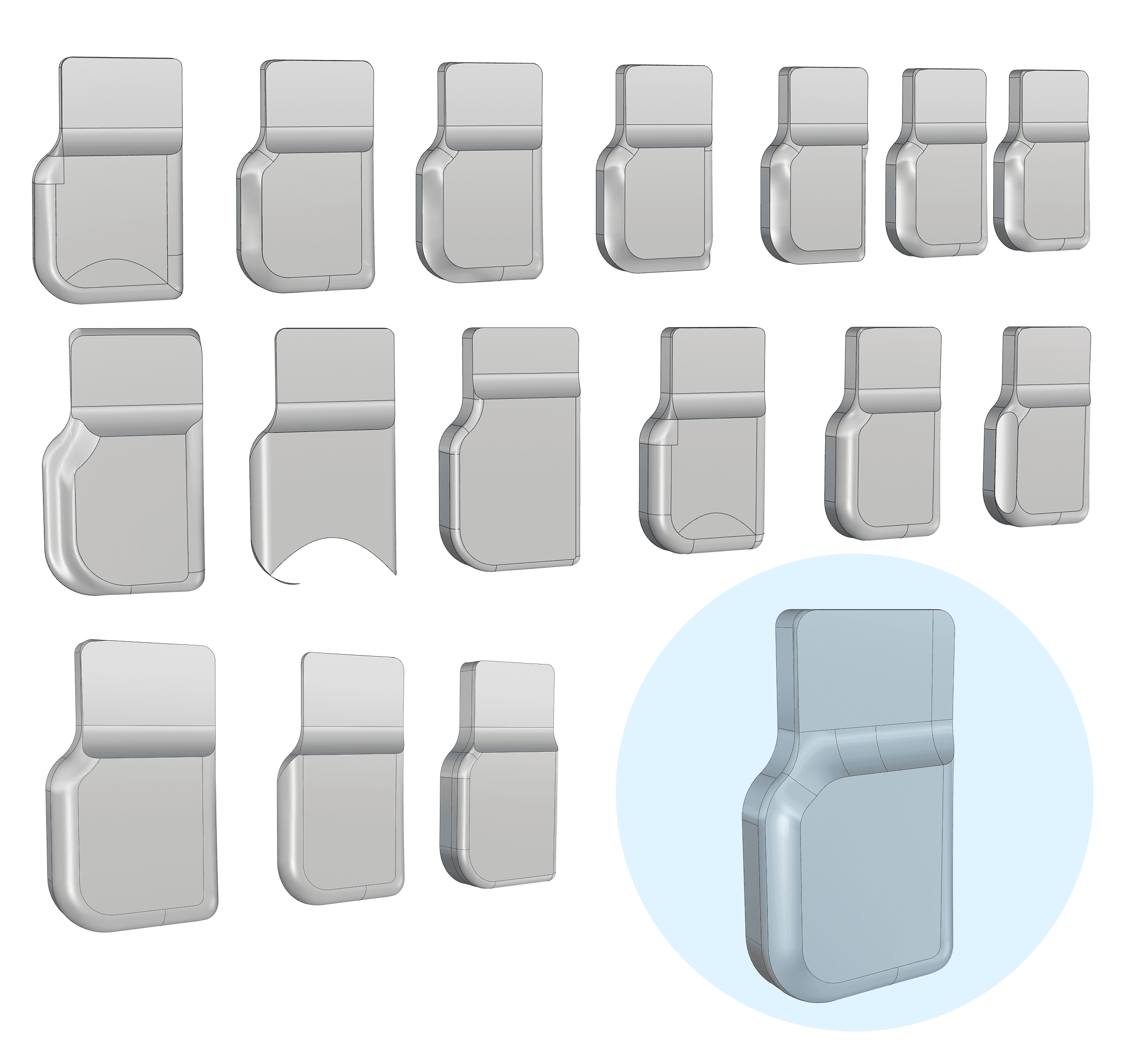
Our final design decisions were mainly dictated by our form inspirations and creating something unconventional compared to the competition. With our insights in mind, we finalized the details through iteration of the main form, particularly focusing on the rear shell transition